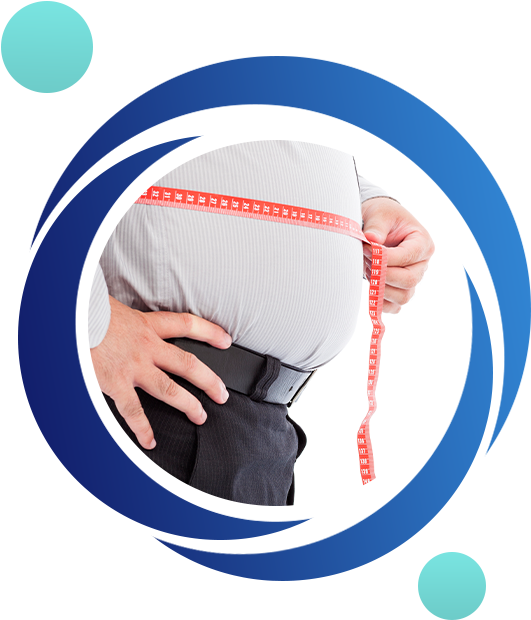
Obesity contributes to T2DM through various biological mechanisms. Excessive fat tissue, particularly around the belly, interferes with the cells’ response to insulin. Insulin is a hormone that regulates the body’s blood sugar. It moves the glucose from the blood into the body cells. When these cells reach a point and start resisting insulin, the sugar in the blood fails to decrease, making the pancreas work harder. Eventually, the pancreas may fail to function correctly, leading to the development of T2DM.
Currently, the treatment options for obesity are medication, lifestyle changes, and even surgery. For T2DM, physicians generally recommend exercise, dietary changes, blood-sugar-lowering drugs, and, in advanced stages, insulin therapy. Although there are many treatments for T2DM, our obesity & type 2 diabetes clinical trial in Anaheim continues to study safer, better, and more efficient ways of assisting people in managing the two conditions simultaneously.
What Are Clinical Trials?
Generally, clinical trials are research studies that test a medication, medical treatment, lifestyle intervention, or device on participants who have volunteered to participate in the study. These trials aim to establish whether the above are effective and safe. Most trials have multiple phases. These are
- Phase 1 tests the safety of a medication, medical treatment, lifestyle intervention, or device on a smaller group.
- Phase 2 tests the effectiveness of the mentioned approaches, continuing to monitor their safety.
- Phase 3 tests compare the new approaches to standard care in a large population.
- Phase 4 is done after approval. The purpose is to track any long-lasting effects.
Strict ethical regulations govern clinical trials. These include
- Confidentiality
- Informed consent
- Close monitoring of side effects.
For the obesity and type 2 diabetes trial, participants may include adults with T2DM, obesity, or both, depending on the study goals.