Obesity is one of the most prevalent health conditions that increases the risk of more diseases and reduces the quality of life. Santa Ana obesity clinical trials are crucial in the development and evaluation of new drugs, assessing their effectiveness and safety, as well as their long-term impact on patients. Paragon RX Clinical removes the barrier that comes with losing weight and can offer advanced treatment at no cost before it becomes publicly accessible. It can allow you to lose weight under the supervision of qualified doctors.


Santa Ana Obesity Clinical Trials
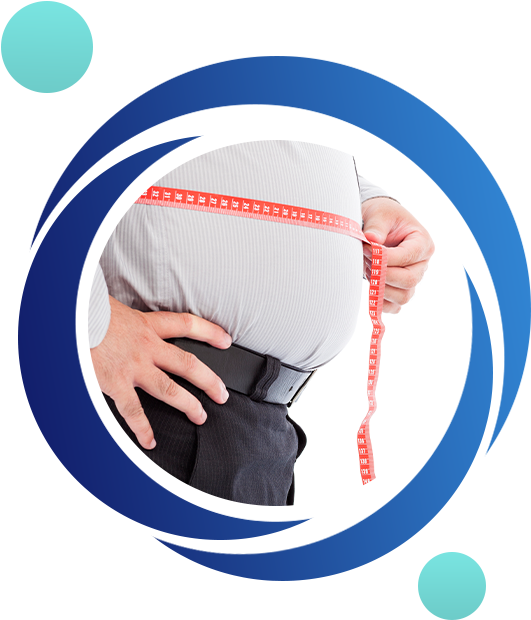
Obesity Clinical Trials
Defining Obesity
Obesity is a complex health condition characterized by an excessive accumulation of body fat, in addition to being a cosmetic concern. It can trigger various other health challenges and sicknesses, including diabetes, sleep apnea, heart disease, high cholesterol, high blood pressure, liver disease, and certain cancers.
Several factors contribute to why some individuals struggle to lose weight. They include the following:
- Poor dietary choices
- Inherited genes
- Physiological factors
- Minimal physical activity
- Lifestyle choices
Doctors use body mass index (BMI) to diagnose obesity. To determine BMI, multiply weight in pounds by 703, divide by height in inches, and then divide by inches. Alternatively, divide weight in kilograms by height in meters squared. A person is considered obese when their BMI is above 30.0.
For many individuals, BMI offers a reasonable estimate of body fat. Nevertheless, BMI does not directly measure body fat. Some individuals, like athletes, might have a BMI in the obesity category even when they do not have excess body fat.
Obesity Statistics
The prevalence of obesity among adults was 40.3 percent between August 2021 and August 2023. The prevalence was 41.3% in women and 39.2% in men. There were no differences between women and men in any age group. The prevalence of obesity in adults aged 40-59 was 46.4 percent, which was higher than the prevalence in adults aged 20-39 (35.5 percent) and those above 60 (38.9 percent).
The percentage of individuals suffering from obesity in Santa Ana was 30.8 percent in 2022.
Health Conditions Related to Obesity
Here are the conditions associated with obesity:
Diabetes occurs when blood glucose levels are high. About 9 out of 10 individuals with this condition are overweight or have obesity. If the condition goes unaddressed, it could result in heart disease, kidney issues, stroke, nervous system damage, and eyesight problems, among other health issues.
Heart disease describes several health issues that impact the heart, including heart failure, heart attack, an abnormal heart rhythm, or angina. Being overweight or obese heightens the risk of developing medical conditions that include high blood cholesterol, hypertension, and high blood glucose. Additionally, excess weight could also overwork the heart when supplying blood to the cells within the body.
Also referred to as hypertension, high blood pressure occurs when the blood flows via the blood vessels with a greater force than usual. The large body mass can increase your blood pressure, as your heart must pump harder to supply blood to the body’s cells. Excess body fat can also harm the kidneys, which play a crucial role in regulating your blood pressure.
Hypertension can harm blood vessels, cause a strain on your heart, and increase your chances of suffering from a heart attack, kidney disease, stroke, or death.
You suffer from a stroke when blood vessels in the neck or brain rupture or are blocked, preventing blood flow to the brain. The stroke could harm your tissue and hinder your ability to talk or move some parts of the body.
Obesity can heighten blood pressure, which is the primary cause of strokes. However, losing weight could help reduce blood pressure alongside other stroke-related factors, like high blood cholesterol and high blood glucose.
Cancer develops when specific cells in the body start to develop abnormally or uncontrollably. The cancerous cells can sometimes advance to other parts of the body.
Being obese could heighten the risk of contracting some forms of cancer. Overweight or obese men are at an increased risk of colon, rectum, and prostate cancers, while women are at an increased risk of breast, uterus, and gallbladder cancers.
Adults who add minimal weight as they grow older are at a reduced risk of most forms of cancer, such as colon, breast, ovarian, and kidney cancers.
Fatty liver ailments occur if fat accumulates in the liver and can result in cirrhosis, liver failure, or severe liver damage. These conditions include nonalcoholic steatohepatitis (NASH) and nonalcoholic fatty liver disease (NAFLD).
The above non-alcoholic conditions often impact individuals who are overweight or obese because these individuals suffer from insulin resistance, increased fat levels in their blood, type 2 diabetes, and metabolic syndrome.
Sleep apnea is a condition that occurs when asleep. Sleep apnea patients experience a blocked upper airway while sleeping, leading to irregular breathing or a sudden stop in breathing for a short interval. Unaddressed sleep apnea can increase the risk of developing different health complications, including diabetes and heart disease.
Obesity is one of the causes of sleep apnea because excess weight means more fat is stored around the neck, shrinking the airway. A reduced airway could cause snoring or make breathing challenging. However, losing weight could alleviate or stop sleep apnea.
Asthma is a long-term or chronic health condition that impacts the airways located in the lungs. The airways are pipes that move air in and out of the lungs. If you experience asthma, it can intermittently inflame and narrow your airways, causing you to cough, wheeze, or experience tightness in your chest.
Obesity could increase the risk of contracting asthma, worsen symptoms, and make it more challenging to manage the condition. Losing weight can help you manage asthma more effectively.
Metabolic syndrome is a category of diseases that heightens your risk of diabetes, heart disease, and stroke. A doctor can diagnose you with this syndrome if you have the conditions below:
- A big waist size
- Hypertension
- Increased levels of triglycerides in the blood
- Reduced levels of HDL cholesterol, which is the beneficial cholesterol in the blood
- High blood glucose levels whenever you fast
Metabolic syndrome is associated with excess weight, obesity, and absence of exercise. Maintaining a healthy lifestyle can help reduce the risk of developing metabolic syndrome.

Advances in Treating Obesity
Obesity treatment has undergone a significant evolution over the years. In the 20th century, medical experts and patients used treatments like amphetamines and thyroid extracts, but they were linked to severe health risks. In the late 20th century, scientists introduced numerous pharmaceutical therapies; however, many were withdrawn due to safety concerns. In the 21st century, researchers recognize that obesity is a complicated, chronic ailment, resulting in the development of new pharmacotherapies for obesity and a paradigm shift for treatment. Here is a summary of current advances in treatment:
What to Expect in a Clinical Trial
Here is what happens in most Santa Ana obesity clinical trials:
Prescreening and Screening
Once the research team learns that you wish to participate in an obesity clinical trial, they will call you. A research coordinator will then ask you some questions, including your medical history, to determine whether you meet the inclusion criteria for participation in the research. The procedure is referred to as prescreening. If you pass the prescreening procedure, the research team can schedule a screening appointment to
Importance of Participating in Clinical Trials
Reasons why you should consider participating in Santa Ana obesity clinical trials include the following:
- Your participation makes a difference — Your participation helps drive medical advancement and innovation. Therefore, when you volunteer for an obesity clinical trial, you are helping future generations. Most studies fail due to a lack of enrollment. These trials are an essential component of breakthrough treatment options or even potential cures. Unless researchers conduct trials, those results can remain unexplored and unknown.
Questions to Answer Before Agreeing to Participate
Here are crucial questions that you should ask the research team about:
- What is the leading purpose of the study?
- What is the duration of the study, and what is expected of you as a volunteer research subject?
- Does the clinical trial involve the administration of a placebo, which is a harmless medical procedure or medication being administered fairly against the actual treatment under research, or does it include studying a treatment already on the market? Does the study doctor understand which treatment is assigned to you?
- Which method will be used to administer the clinical trial treatment?
- Will you be required to finance the clinical study? Can your insurance cover these treatment expenses?
- What are the current findings about the clinical research so far? Have any study findings been published?
- Does the clinical trial cater to childcare and travel costs?
- Can you consult your primary physician while the study is ongoing?
- If the clinical study is successful for you, can you continue using it following the research?
- Can you receive any follow-up care after the study concludes?
- What will become of your medical care if you halt your participation in the clinical trial?
- Is there any special or financial interest in the research study?
- What is the experience of the research doctor and supporting staff?
- What are the research team’s precautionary measures to ensure your safety?
- How and when will you receive the study’s findings?
- In clinical trials that include placebos, are participants informed of the specific intervention being administered to them?
Find a Qualified Research Facility Near Me
Santa Ana obesity clinical trials test whether new treatments are effective and safe, and compare them to existing treatments. Researchers can also use the trials to assess new medical devices, medications, weight loss procedures, and methods for diagnosing obesity. Paragon RX Clinical leads the way by designing, developing, and delivering real-world evidence in Santa Ana obesity clinical trials that can enable patients to access medication in a real-world setting. Our customized strategies can provide insights into the effectiveness and safety of therapies in different populations. Please call us at 714-539-3013 to learn more about our facility and the services we offer.
10+
Years in Clinical Research
100%
Multilingual Staff
6
Days/Week
To fit your busy Schedule
Participate in a Clinical Trial Today
Discover How You Can Help Advance Medicine for a Better Tomorrow